When it comes to food and drinks, compliance with the regulations isn’t just a legal necessity but an integral aspect of consumer trust and security. In the European Union (EU), well-known for its stringent rules put a lot of emphasis on ensuring that non-alcoholic beverages are of the highest standards of safety and quality. This first article in our series, aims to understand the intricacies of EU regulations regarding non-alcoholic beverages.
A Guide to the EU Framework
A brief overview of EU Regulatory Body
At the core of EU regulations on non-alcoholic beverages are various key regulatory bodies, each playing a vital duty in ensuring the safety of any products sold on the marketplace are in the best interest of consumers.
1. The European Commission: Often considered the executive branch of the EU in general, the European Commission takes charge of creating legislation and making implementing decisions. When it comes to the regulation of food and drinks, the Commission is the key figure in establishing the guidelines within which non-alcoholic beverages must operate.
2. EFSA (European Food Safety Authority ):It is an independent agency provides advice from a scientific perspective on safe food and feed for the EU institutions. Its expertise is essential when making sure that ingredients are safe and the additives that are used in non-alcoholic beverages.
3. National Authorities Alongside EU-wide regulations, member states may have their specific regulations. National authorities monitor compliance with EU regulations at the local level.
Legitimate Framework
Understanding EU regulations on non-alcoholic alcohol will require a knowledge of the legal framework that regulates them. The EU utilizes two major types of legislation that are directives and regulations.
EU Regulations: These are directly applicable to the member states in general and don’t require separate national laws. If an EU regulations is passed and becomes law in all member states at once.
EU Directives: Directives, on the other hand, set out the goals that member states must accomplish. It’s then up to every member state to pass its national laws to comply with the directive.
The interplay between EU regulations and member state laws can often be complex, and requires companies to be aware of both the overall EU regulations and the specific nation-specific regulations.
Understanding the regulation framework will be the first step to making sure you’re in that you are in compliance with EU requirements for non-alcoholic beverage.
In the next section we’ll explore particular aspects related to EU regulations, specifically specific labeling and ingredient requirements that are vital for businesses in the beverage industry.
Join us as we take a look at the complexity of ingredient labeling regulations and labeling within the EU for non-alcoholic beverages.
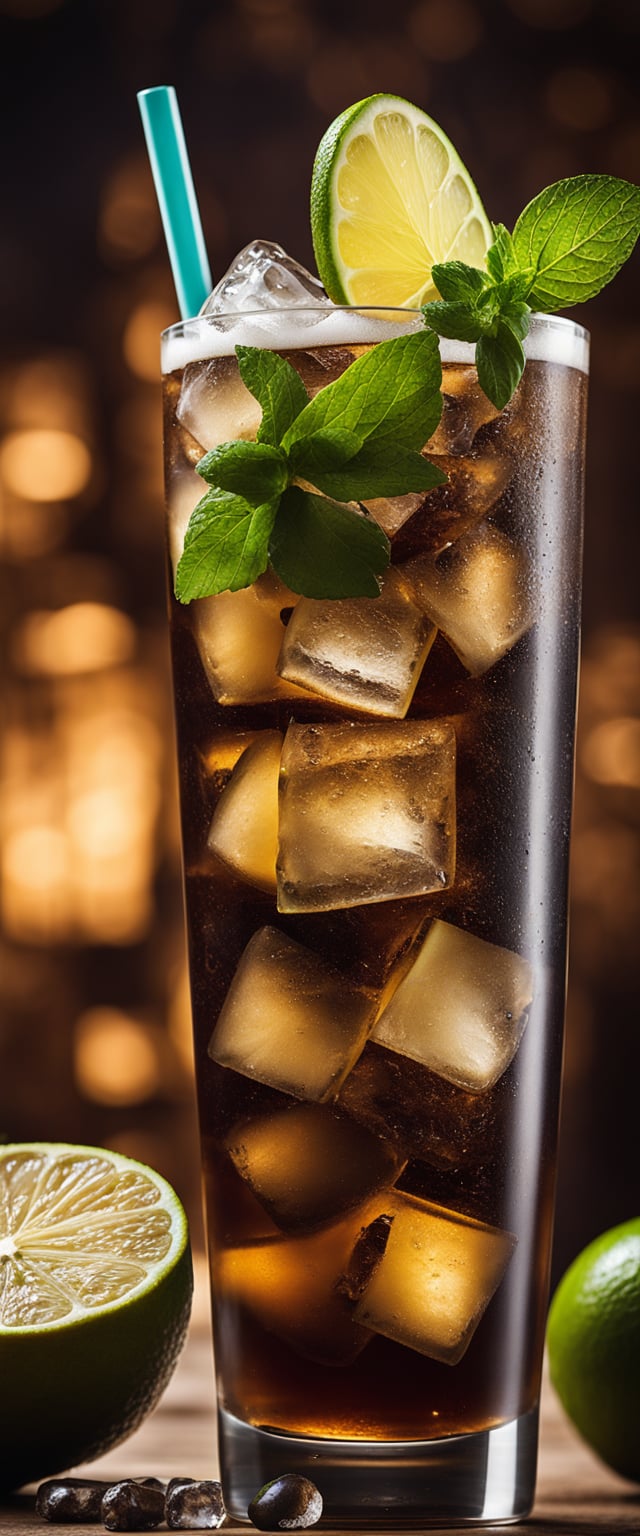
Finding the EU Regulations: Labeling and Ingredient Requirements in Non-Alcoholic Beverages
In the last section we began a journey to unravel the complex web of EU regulations governing non-alcoholic beverages. We’ll now dive into the specifics of the regulations, focusing on ingredient labeling and labeling requirementsaEUR”a important area of compliance that is essential for any business operating within the beverage industry.
Guideline for Labeling
Clearness and Transparency
EU rules are rigorous in the area of labeling non-alcoholic drinks. The aim is to ensure that consumers get precise and clear information regarding the items they purchase. These are the major aspects of the guidelines for labeling:
1. Name of the Beverage The name must clearly reflect the nature of the beverage. False names that can confuse consumers are prohibited.
2. Ingredients List for Non-alcoholic Drinks: Non-alcoholic drinks need to list the ingredients in which each ingredient is listed in order of weight, descending.
3. Food Allergen Information: If a beverage is a mixture of any of the 14 allergens that are listed by EU laws (e.g., nuts, milk or gluten) They must be clearly stated in the list of ingredients.
4. Net Quantity: the amount of the beverage has to be stated in liters milliliters, centiliters, kilograms grams, milligrams or kilograms dependent on the brand.
5. Best Before/Use By Dates: Alcohol-free beverages with a shelf life of less than 18 months have to have a “use up by” date. If they have a longer shelf life should have the “best in” date.
Nutrition Declaration
Recent years have seen EU regulations have made it mandatory for alcohol-free beverages to offer nutrition data per 100 milliliters of the product. This includes information on energy content and amounts of saturates, fats sugars, carbohydrates as well as protein and salt.
Ingredient Requirements
Utilization of Additives
EU rules regulate strictly the use of additives in non-alcoholic drinks. They must be approved and safe for consumption and serve a technological purpose (e.g., dyes, preservatives).
Natural Mineral Waters
For drinks that are labeled “natural mineral water,” EU regulations are particularly severe. The waters must come from trusted sources and meet specific requirements for mineral content and purity.
Fruit Juices and Nectars
If a non-alcoholic beverage contains nectars or fruits, it must conform to established requirements for fruit content. For example, nectars made from fruit must contain at minimum 25 percent content of fruits.
Sweeteners
The use of sweeteners has been regulated to ensure safety and protect consumers’ interests. Labels should clearly show the use of sweeteners.
What’s Next?
As we’ve observed, EU regulations on labeling and the requirements for ingredient use in non-alcoholic beverages are extensive as they are designed to protect consumer interests. Becoming familiar with and adhering to these rules is essential for companies operating in this industry.
In the following section we’ll explore quality and safety standards as we explore how EU guidelines ensure alcohol-free beverages meet the highest standards of quality. Join us on this journey to decode the complexity of EU rules further.
Stay tuned as we unravel the world of safety and quality standards defined by EU regulations governing non-alcoholic beverages.
Leading Quality, Direct Connection: Order Your Alcohol-Free Spirits from Swedish Distillers Today!
Security and Quality Standards Providing Top-of-the-Line Non-Alcoholic Drinks in the EU
As we’ve walked through the labyrinth of EU regulations regarding non-alcoholic drinks, we’ve uncovered essential information regarding ingredient labeling and other requirements. Now, let’s continue our exploration by delving into the world of quality and safety standardsaEUR”critical aspects that uphold the integrity of these beverages in the European market.
Quality Standards
Water Quality
Water is the most important ingredient in many non-alcoholic beverages Quality is paramount. EU rules stipulate that drinks made with water has to meet strict quality specifications. This ensures that the water’s sources, treatment and transportation don’t compromise the beverage’s safety or taste.
Natural Mineral Waters
For beverages labeled as “natural mineral water,” EU regulations are particularly exact. These waters must originate from recognized sources and meet high standards for mineral concentration and purity. Natural mineral waters are recognized as pure and have a unique mineral composition, making these waters a great asset to the non-alcoholic beverage industry.
Fruit Juice Purity
When it comes to drinks containing fruit juices In beverages that contain fruit juices, the EU requires specific fruit-based content guidelines. For instance, fruit nectars need to have a minimum amount of fruit content in order to guarantee the authenticity and quality of the beverage.
Hygiene and Production Methods
Maintaining impeccable hygiene during the production process is crucial. EU regulations mandate that all processing facilities that produce beverages adhere to strict hygiene and safety standards to avoid foodborne contamination as well as ensure safety.
Safety Standards
Microbiological Criteria
Microbiological protection is a crucial aspect of making non-alcoholic beverages. EU rules establish microbiological requirements to ensure that drinks are free from harmful microorganisms that may pose potential health risks for consumers.
Contaminant Limits
To ensure consumers’ health, EU regulations define maximum limits for different contaminants in non-alcoholic drinks. These contaminants comprise mycotoxins, heavy metals and residues of pesticides. Monitoring and testing procedures that are rigorous are in use to ensure compliance with these guidelines.
Plus Safety
All additives in non-alcoholic beverages must be rigorously assessed for safety. EU regulations require extensive analysis of risks and scientific evaluations before allowing additives use. This ensures that the consumer is not at risk of being exposed to risks that are not necessary.
The Role of Quality Control
Quality control plays an essential aspect in ensuring that all non-alcoholic beverages meet the highest standards of quality and safety. Manufacturers are accountable to implement strict quality control measures, beginning from the selection of raw materials, to the production stage.
What Lies Ahead?
Standards for quality and safety are the foundations upon that the reputation of alcohol-free beverages is built in the EU market. In the following section, we’ll explore the intricate world of packaging and marketing laws, explaining the ways these elements contribute to the overall environmental compliance framework.
Keep an eye on us to see how we can enter the world of packaging and marketing regulations, which are essential to EU compliance with non-alcoholic drinks.

Packaging and Marketing and Marketing: Navigating the EU Regulations for Non-Alcoholic Beverages
As we continue our journey through the intricacies of EU regulations governing non-alcoholic beverages, we find ourselves at a crossroadsaEUR”packaging and marketing. These elements are crucial not just to ensure compliance as well as to get the customers’ attention in a highly competitive market. Let’s explore the world of marketing and packaging regulations within the European Union.
Package Regulations
Material Safety
The EU is committed to ensuring that the products used to package beverages do not contain contaminants that could harm the drink. Manufacturers must comply with strict requirements for the use of materials such as glass, plastics, and even metals. This guarantees that the packaging doesn’t change the composition or security of the drink.
The concept of recycling as well as sustainability
Sustainability in the environment is a growing concern, and the EU encourages environmentally-friendly packaging. Regulations aim to minimize the amount of waste generated and encourage recycling by providing targets for the utilization recycling materials and reduction of packaging waste.
Presenting, Labeling and Labeling
Labeling is a crucial aspect of packaging. EU regulations demand precise and clear information on labels. These include the name of the product, the ingredients as well as nutritional information and allergen declarations. Labels help consumers make conscious choices and assure transparency.
Marketing Regulations
Truthful Advertising
Non-alcoholic beverages for marketing in the EU should be guided by principles of honesty and accuracy. Any claims made in advertising that claim health benefits, for example or ingredient benefits, must be supported by scientific research.
Protection of Minors
Given the potential draw of non-alcoholic drinks to minors, marketers must stay clear of targeting this group of consumers. The EU imposes strict rules to avoid advertising that could influence consumption among minors.
Alcohol Imitation
Alcohol-free beverages should not be able to replicate the appearance or packaging of alcoholic beverages. This can prevent confusion for consumers and ensures that the advertising of these products remains simple and transparent.
Challenges and Innovative Ideas
Making sense of the regulations for marketing and packaging isn’t easy, however they also offer opportunities for creativity. Many companies are opting for environmentally friendly packaging materials that conform to both regulatory requirements as well as consumer demand for environmentally friendly alternatives. Marketing strategies that are innovative and focus on the benefits of health and distinct flavor profiles are gaining traction on an EU market.
What’s Next?
Our study of EU regulations for non-alcoholic beverages will not be complete unless we address the critical aspect of compliance with these rules. In the next section, we’ll go in to the strategies and most effective practices that can assist firms ensure compliance with European Union’s strict standards.
Keep watching as we discover the secrets to comply with EU guidelines for non-alcoholic beverages.
The process of navigating EU Regulations for Non-Alcoholic Beverages: A Comprehensive Guide
It’s time for the fifth final edition of our complete guide to navigating EU regulations for non-alcoholic drinks. Through this series, we’ve explored the complexities of regulations for the production and labeling, safety, and promotion of non-alcoholic drinks within the European Union. In this final piece we’ll go over a brief summary of the main points we’ve learned from each section, and offer conclusion thoughts on the difficulties and opportunities of this highly regulated industry.
Our Journey in Our Journey
Section 1: Production Standards
In our first article, we explored the production standards set by the EU for non-alcoholic drinks. Some of the key points we learned are:
- Stringent hygiene and safety standards for manufacturing premises.
- Guidelines for ingredient selection and the quality.
- Important to be in compliance with maximum residue levels in chemicals and pesticides.
- How adhering the Good Manufacturing Practices (GMP) is crucial.
Section 2 the labeling of nutrition information and nutritional labels
In our last article, we talked about the importance precise labeling and nutritional information. Highlights include:
- Accurate and clear labeling requirements with ingredient lists, information on nutrition, as well as declarations of allergens.
- The importance of honesty in advertising and the need for the scientific basis to justify claims.
- The prohibition of deceiving consumers with false claims.
Part 3: Safety and Quality Assurance
Our third article was dedicated to safety as well as quality assurance. Some of the key points we discussed were:
- The strictest safety standards are in place to prevent contamination and ensure the security of alcohol-free beverages.
- The role of Hazard Analysis and Critical Control Points (HACCP) in safeguarding food safety.
- Tracking and monitoring to quickly identify and correct safety issues.
Section 4: Marketing and Packaging
In the fourth piece we looked at the regulations relating to packaging and marketing:
- Safety standards for packaging materials to stop contamination.
- Emphasis on recycling and sustainability in packaging.
- Guidelines to ensure honest advertising as well as protection for minors and to prevent alcohol imitation.
Challenges and Opportunities
As we finish our walk through EU rules for non-alcoholic drinks It’s evident that this business is a challenge and opportunities. The main challenge is in navigating the complicated regulatory landscape making sure compliance is maintained, as well as taking into consideration the evolving preferences of consumers in sustainability and health-conscious choices.
However, there are plenty of chances for companies to respond to these new challenges:
-
Innovative: Developing eco-friendly packaging and marketing strategies that highlight health benefits may set you apart in the market.
-
Transparency: Complying with labeling and regulation on advertising not only ensures compliance, but also helps build consumer trust.
-
Safety Prioritizing safety and quality control can help protect your brand’s reputation and safeguard the consumers.
Conclusion
In this series, we’ve explored through the myriad complexities of EU regulations for beverages that are not alcoholic. From production guidelines to packaging, marketing, and safety it is imperative to comply for an effective business.
When you are navigating these regulations, remember that they are put in place to protect customers and to guarantee the highest quality standards. Be a part of the process to embrace innovation, sustainability, and transparency to excel on the EU markets for non-alcoholic beverages.
Thank you for joining us on this learning journey. We hope you’ve gained valuable insights into the regulatory landscape of non-alcoholic drinks in the EU.
Recap of All Articles in this Series
-
Part 1: Production Standards
-
Section 2 the labeling of nutrition information and nutritional labels
-
3, Section 3. Safety and Quality Assurance
-
Section 4: Marketing and Packaging
Continue to work towards success in the non-alcoholic beverage sector and stay current with the newest EU laws.
Leave a Reply